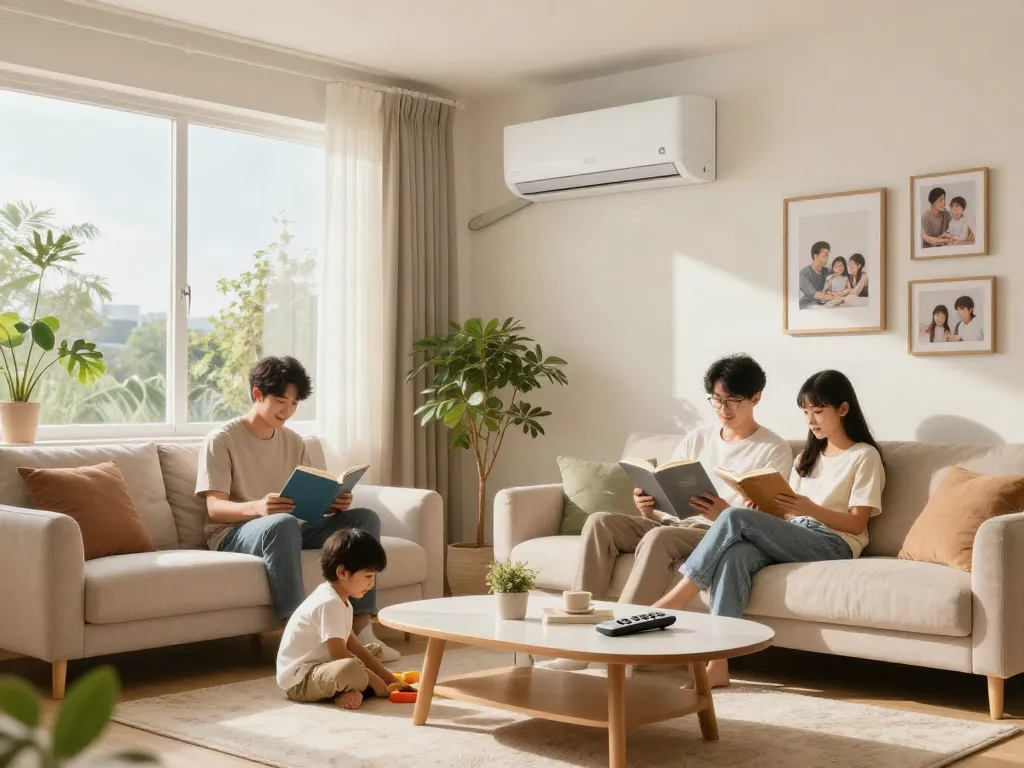
What is a Split AC Unit?
In the realm of home climate control, the split AC unit has emerged as a popular choice for both residential and commercial spaces. This innovative air conditioning system utilizes a two-part structure to provide efficient cooling and heating without the need for extensive ductwork. In essence, a split air conditioner consists of an outdoor compressor unit and one or more indoor air-handling units, allowing for flexible installation and superior energy efficiency compared to traditional HVAC systems. When exploring options, split ac unit provides comprehensive insights into their benefits and functionalities.
Understanding the Basics of Split AC Systems
At its core, a split AC system employs a basic principle of heat transfer to cool indoor spaces. The outdoor unit absorbs heat from the air or refrigerant, which is then compressed and sent to the indoor unit. Here, the heat is released, cooling the air that is circulated back into the room. This cycle continues, maintaining a comfortable temperature without the noise and visual intrusion of window units.
Components of a Split AC Unit Explained
- Outdoor Unit: Contains the compressor, condenser coil, and a fan that expels heat.
- Indoor Unit: Houses the evaporator coil, which cools the air, and a fan that distributes the conditioned air within the space.
- Refrigerant Lines: Connect the outdoor and indoor units, allowing for the transfer of refrigerant.
- Thermostat: Controls the temperature settings and can often be programmed for maximum efficiency.
How Split AC Units Differ from Traditional Air Conditioners
Unlike traditional window air conditioning units, which are bulky and can obstruct views, split AC units offer a more aesthetically pleasing solution. They require less physical space, operate more quietly, and can be utilized in homes without pre-existing ductwork. Moreover, many split systems are equipped with multi-zone capabilities, allowing homeowners to cool multiple rooms independently, thus enhancing comfort and efficiency.
Benefits of Installing a Split AC Unit
Energy Efficiency and Cost Savings
One of the standout features of split AC units is their impressive energy efficiency. Traditional air conditioning systems often struggle to maintain temperature without excessive energy consumption, while split systems can achieve a higher SEER (Seasonal Energy Efficiency Ratio) rating. This efficiency translates to lower energy bills and a smaller carbon footprint, making it an eco-friendly choice for climate control.
Enhanced Comfort and Temperature Control
Split AC units excel in providing individualized comfort. With the ability to set different temperatures for various zones in a home, families can tailor the climate to their preferences, ensuring that each room feels just right. This level of control is particularly beneficial for larger homes or spaces that receive varying amounts of sunlight throughout the day.
Design Aesthetics for Modern Homes
Modern split AC units come in a variety of sleek designs that blend seamlessly with home interiors. The indoor units are often mounted on walls or ceilings, allowing for a clean look that doesn’t compromise on style. This design flexibility makes them an attractive option for those looking to maintain a contemporary aesthetic.
Installation Process for Split AC Units
Choosing the Right Location for Your Unit
The effectiveness of a split AC unit largely depends on its installation location. Ideally, the outdoor unit should be placed in a shaded area to optimize performance, while the indoor unit should be mounted where airflow is unrestricted. Careful consideration of these factors can significantly enhance the system's efficiency.
Understanding Installation Costs and Timeframes
Installation costs for split AC units can vary based on system size, complexity, and labor rates in your area. On average, homeowners can expect to spend anywhere from $1,500 to $5,000, including equipment and installation fees. It is advisable to get multiple quotes from licensed HVAC professionals to ensure competitive pricing.
DIY vs. Professional Installation: Pros and Cons
While some may consider a DIY installation to save costs, it is often recommended to hire professionals for split AC systems. Professional installers ensure adherence to local codes and standards, optimize system setup for efficiency, and often provide warranties on their work. Conversely, DIY installations can lead to improper setup, decreased efficiency, and potential safety hazards.
Common Challenges and Solutions with Split AC Units
Dealing with Noise and Performance Issues
Though generally quieter than traditional systems, some users may experience noise from their split AC units due to improper installation or wear and tear. Regular maintenance, including cleaning filters and ensuring that the outdoor unit is free from debris, can mitigate these issues. If problems persist, it may indicate the need for professional servicing.
Maintenance Tips to Keep Your Unit Running Smoothly
To prolong the life of your split AC unit and maintain its efficiency, regular maintenance is key. This includes:
- Cleaning or replacing filters every month during peak usage.
- Inspecting and cleaning the outdoor unit to ensure adequate airflow.
- Scheduling annual maintenance checks with an HVAC professional to identify and resolve potential issues early.
Resolving Common Installation Mistakes
Installation mistakes can impact the performance of the split AC unit. Common errors include poor refrigerant line placement, incorrect sizing of the unit for the space, and inadequate sealing of connections. It’s crucial to follow manufacturer guidelines and consider seeking professional help to avoid these pitfalls.
The Future of Split AC Technology in 2026
Innovations in Energy Efficiency Standards
As environmental concerns continue to rise, split AC technology is rapidly evolving. The 2026 standards will likely emphasize even higher energy efficiency ratings, pushing manufacturers to innovate and improve upon existing systems. These advancements may include enhanced compressors, more efficient refrigerants, and smarter electrical components to optimize energy use.
Smart Home Integration Trends
The future of cooling also lies in the integration of smart technology. Homeowners can expect split AC units to incorporate smart thermostats, allowing for remote control via smartphones and compatibility with home automation systems. This advancement will increase user convenience and further enhance energy-saving capabilities.
Future-Proofing Your Cooling System Investments
As technology evolves, investing in a split AC unit now may set you up for future benefits. Systems designed with scalability in mind will allow for easy upgrades or expansions, accommodating the growing demand for sustainable living solutions in the coming years.
What are the Benefits of Using Split AC Units?
In summary, the benefits of using split AC units extend beyond just cooling. They provide energy efficiency, enhanced comfort, and aesthetic appeal while minimizing noise and operational costs. Furthermore, split systems can be adapted to fit various home configurations, making them a versatile choice for many homeowners.
How to Choose the Right Split AC Unit for Your Home?
Choosing the right split AC unit involves considering several factors, including the size of the space, cooling capacity (measured in BTUs), and specific features such as energy ratings and programmable settings. Consulting with an HVAC professional can help determine the best fit for your needs and budget.
Is Professional Installation Necessary for Split AC Units?
While some homeowners may be tempted to install a split AC unit themselves, professional installation is highly recommended. This guarantees that the unit is set up for optimal performance and complies with local codes, thereby avoiding potential warranty issues and safety risks.
What Maintenance Does a Split AC Unit Require?
Maintaining a split AC unit is essential for its longevity and efficiency. Key maintenance practices include regularly checking filters, cleaning coils, and scheduling annual check-ups with a certified technician to ensure everything is functioning correctly.
What are the Cost Implications of a Split AC Unit?
The initial cost of a split AC unit may seem high, but it is crucial to consider long-term savings. Energy-efficient models can significantly reduce utility bills, and many units come with warranties that can offset repair costs down the line. Additionally, the comfort and versatility they offer can enhance your home's value, making them a worthwhile investment.